
Market Pulse
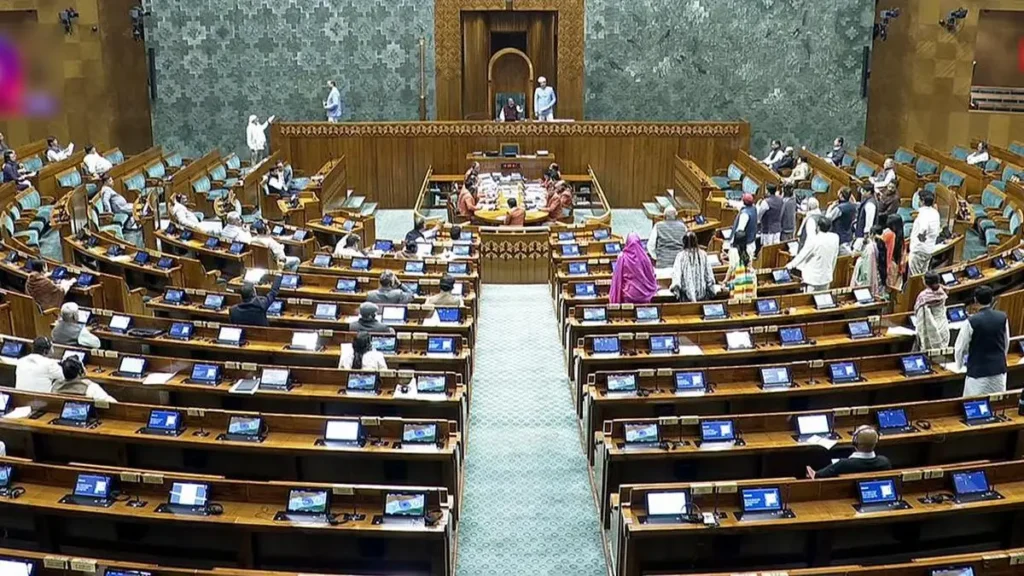
In a significant move poised to reshape the digital content landscape, India’s Lok Sabha has introduced a bill aimed at regulating deepfake content. As of December 2025, this legislative push reflects a global imperative to combat AI-generated misinformation and protect digital identities. For the nascent Web3 ecosystem, this bill presents both a complex regulatory challenge and a profound opportunity to demonstrate the inherent value of decentralized identity (DID) and content provenance solutions.
The Rising Tide of Synthetic Media and Regulatory Response
The proliferation of sophisticated AI models has made creating highly convincing synthetic media, or ‘deepfakes,’ accessible to a wider audience. These creations, ranging from manipulated videos of public figures to fraudulent identity documents, pose substantial threats to societal trust, national security, and individual privacy. India, with its vast digital population, has experienced a surge in deepfake-related incidents, necessitating a robust legal framework. The tabled bill is a direct response to these concerns, seeking to establish clear liabilities and foster a safer online environment.
Key drivers for this legislative action include:
- Misinformation and Disinformation: Deepfakes have been weaponized to spread false narratives, particularly during election cycles and times of social unrest.
- Reputational Damage: Individuals, especially public figures, face severe reputational harm from fabricated content.
- Financial Fraud: Sophisticated deepfakes can be used in phishing scams and identity theft, leading to significant financial losses.
- Erosion of Trust: The ability to discern real from fake content is diminishing, leading to a general distrust in digital media.
Key Provisions and Their Web3 Implications
While the full details of the bill are still under parliamentary review, early reports indicate a focus on accountability and consent. Platforms are expected to play a more active role in identifying and removing deepfake content, with significant penalties for non-compliance. Content creators may face stringent requirements for disclosing the AI-generated nature of their work, particularly when it involves likenesses of individuals. The concept of ‘consent’ is central, aiming to prevent unauthorized use of a person’s digital identity.
For Web3, these provisions are critical:
- Decentralized Identity (DID): The demand for verifiable, self-sovereign identities becomes paramount. DIDs could offer a robust framework for proving content authorship and authenticating user identities without relying on centralized intermediaries.
- Content Provenance: Blockchain-based solutions can embed cryptographic proofs of origin and modifications directly into digital media, offering immutable records of its journey from creation to consumption.
- Smart Contracts for Consent: The bill’s emphasis on consent could pave the way for smart contracts, allowing individuals to grant or revoke usage rights for their digital likeness in a transparent and auditable manner.
Blockchain as a Safeguard Against Digital Fabrication
The very problems deepfakes present are those that blockchain and Web3 technologies are uniquely positioned to solve. By leveraging cryptographic security and distributed ledger technology, the digital realm can regain a degree of authenticity that centralized systems struggle to provide. Projects focusing on non-fungible tokens (NFTs) for content ownership, digital watermarking, and verifiable credentials are prime candidates to emerge as crucial tools in this new regulatory landscape.
Potential applications include:
- NFTs for Authenticated Content: Issuing NFTs linked to original media files can provide an immutable timestamp and proof of creation, making it easier to identify deepfake derivatives.
- Verifiable Credentials: DIDs, combined with verifiable credentials, could allow users to cryptographically prove their identity and consent without exposing sensitive personal data.
- AI-Blockchain Hybrids: AI detection algorithms can be integrated with blockchain ledgers to record detected deepfakes and their characteristics, creating a shared, transparent database of fabricated content.
Challenges and the Path Forward
Despite the promise, implementing such regulations and integrating Web3 solutions will not be without challenges. The sheer volume of digital content makes real-time deepfake detection a monumental task. There’s also the delicate balance between robust regulation and avoiding overreach that could stifle innovation or infringe upon free speech. Decentralized networks, by their very nature, resist central control, posing unique enforcement dilemmas for national legislation.
The path forward will likely involve:
- Public-Private Collaboration: Governments, tech companies, and Web3 developers must collaborate to create effective, scalable solutions.
- Global Harmonization: Deepfakes are a borderless problem, necessitating international cooperation on regulatory standards and technological interoperability.
- User Education: Empowering users with the knowledge and tools to identify deepfakes remains a critical component of any comprehensive strategy.
Conclusion
India’s deepfake regulation bill marks a pivotal moment in the fight for digital authenticity. While it introduces new compliance burdens for platforms and content creators, it simultaneously shines a spotlight on the urgent need for verifiable digital identities and content provenance. For the Web3 sector, this is a clear call to action, offering a tangible opportunity to showcase how decentralized technologies can not only address the existential threats posed by deepfakes but also foster a more trustworthy and transparent digital future.

Pros (Bullish Points)
- Establishes a clear legal framework to combat misinformation and protect digital identities.
- Creates significant demand and opportunity for blockchain-based content provenance and decentralized identity (DID) solutions.
Cons (Bearish Points)
- Potential for over-regulation that could stifle innovation or create compliance burdens for decentralized projects.
- Enforcement challenges for deepfake content in truly decentralized, borderless Web3 environments.
Frequently Asked Questions
What is the main purpose of India's deepfake bill?
The bill aims to regulate AI-generated deepfake content to combat misinformation, protect individual digital identities, and hold platforms accountable for the spread of synthetic media.
How does this bill relate to Web3 technologies?
The bill's focus on consent and content authenticity creates a strong demand for Web3 solutions like Decentralized Identity (DID) for verifiable user identity and blockchain-based content provenance for tracking media origin and modifications.
What are the potential challenges of this regulation?
Challenges include the immense scale of deepfake detection, balancing regulation with free speech, and the practical complexities of enforcing national laws within decentralized, global Web3 ecosystems.


